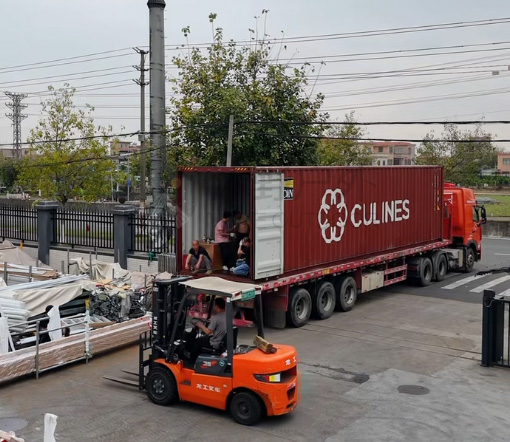
Tent Shipping & Packaging: From Muye Factory to Your Campsite — What Happens Along the Way?
1. Before Shipment: Three Layers of Protection
Before leaving the Muye factory, every tent goes through a three-stage packaging process to ensure safe transportation.
Frame Packaging:
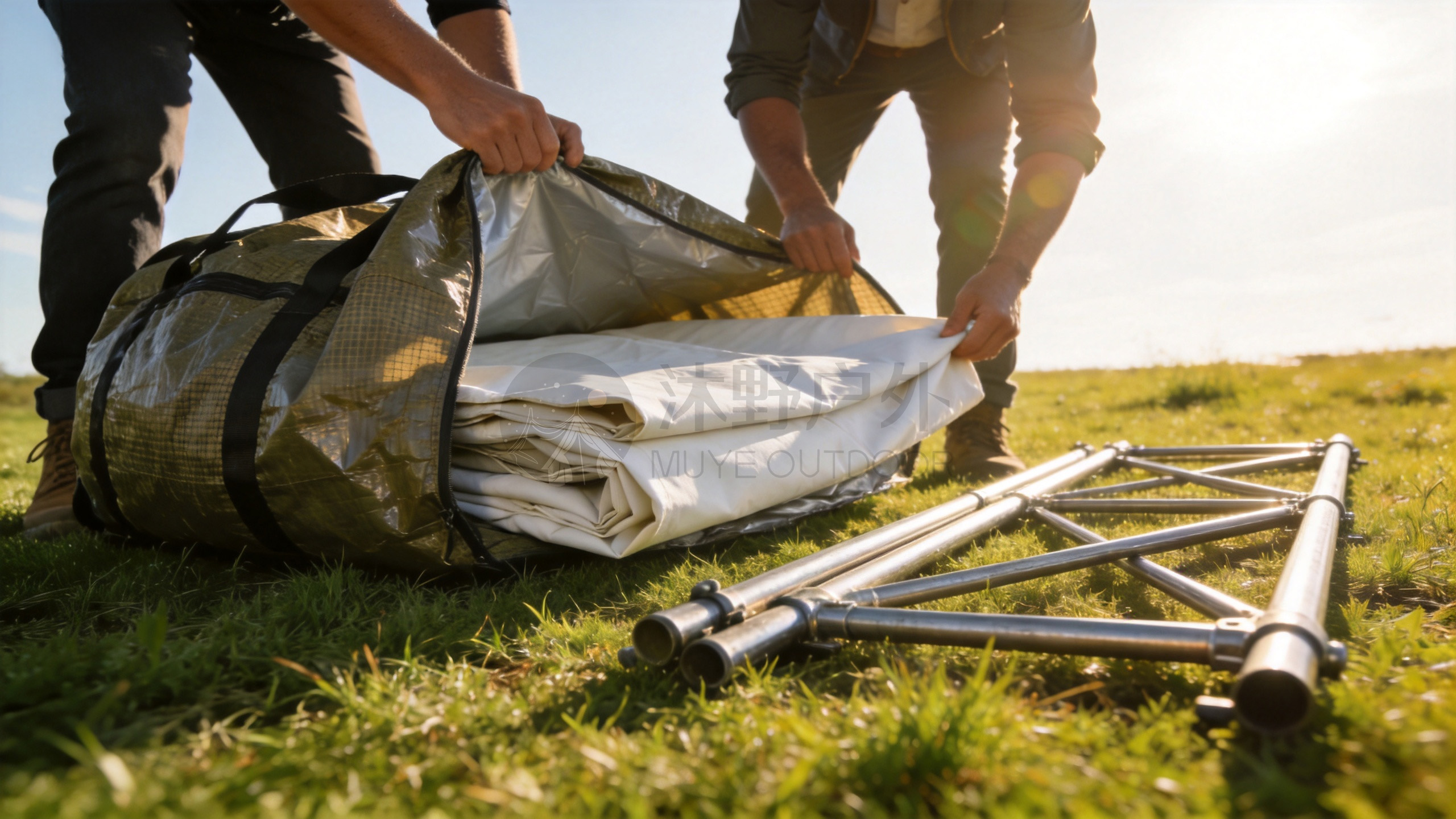
Steel tubes are sorted by specification and securely bundled with packing straps. Each bundle is wrapped with pearl cotton and woven bags to help prevent scratches and damage to the painted surface during transportation.
Connectors and accessories are individually wrapped in bubble film and packed into cartons.
Tent Fabric Packaging:
Each piece of tent fabric is folded according to its identification number. Non-woven fabric is used as an inner layer to help protect the fabric from excessive creasing. The fabric is then placed in a waterproof PE woven bag, with the opening heat-sealed for additional protection.
Each package is clearly labeled with the tent model and installation position, such as “Tent No. 1 – East Wall.”
Complete Pallet Packaging:
The frames, tent fabric and accessory boxes are organized on wooden pallets, tightly wrapped with stretch film, and secured with crossed packing straps.
A standard 40-foot container can typically hold 8–12 complete tents, including accessories, depending on the tent model and packing configuration.
Muye's Commitment:
We use recyclable or biodegradable packaging materials wherever possible. Pearl cotton is the exception, but we collect and reuse it whenever possible.
We don't cut corners when it comes to packaging. If goods are damaged during transportation, it creates problems for you—and losses for us as well.
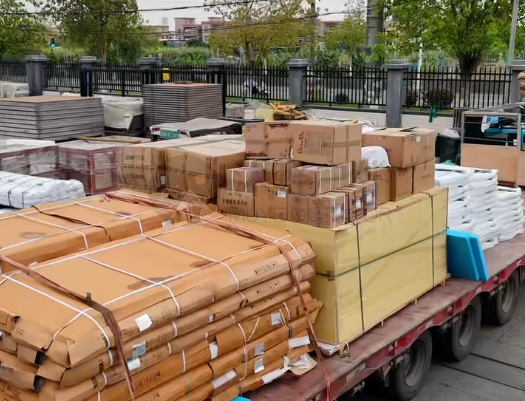
2. Transportation Options: You Choose, Muye Supports
Muye does not directly provide transportation services, but we can recommend logistics companies we have worked with for a long time at competitive rates.
Of course, you are also welcome to arrange transportation through your own preferred logistics provider.
Small Orders (1–3 tents):
Dedicated logistics services are recommended. Door-to-door transportation is relatively fast, although the cost per unit may be higher.
Medium Orders (4–10 tents):
Less-than-truckload (LTL) transportation is a good option. Your cargo shares the truck with other shipments, offering better cost efficiency.
Large Orders (10+ tents):
Full-truckload transportation is generally the most economical option. Muye can help contact return-load trucks to reduce transportation costs.
For Remote Areas:
For areas such as Tibet, Xinjiang and mountainous regions of Yunnan, transportation may take 5–10 days longer than shipments to coastal areas, while freight costs may be 30–50% higher.
We recommend planning your delivery schedule in advance.
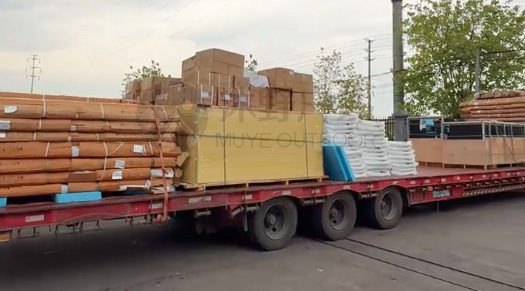
3. Receiving & Inspection: Three Steps to Avoid Problems
When your goods arrive, we recommend checking them in front of the logistics driver.
Step 1: Check the Outer Packaging
Check whether:
-
The wooden pallet is broken or damaged
-
The stretch film is torn
-
The waterproof bags show signs of damage or water penetration
If you notice obvious damage, take photos and videos immediately and write “Outer Packaging Damaged” on the delivery receipt before signing.
Step 2: Check the Quantity
Use Muye's Shipping List to verify:
-
Number of packages
-
Tent models
-
Number of accessory boxes
If anything is missing, contact your Muye sales representative immediately. We also keep shipment monitoring videos to assist with verification.
Step 3: Open and Inspect Selected Packages
Open 1–2 packages as a sample and check whether:
-
Any frame components are bent or deformed
-
Any tent fabric is torn or damaged
If you find a quality issue, do not accept the shipment without contacting us first.
Muye's Commitment:
If damage is caused by Muye's production or packaging, we will provide replacement parts or compensation free of charge.
If the damage is caused by rough handling during transportation, Muye will assist you in filing a claim with the logistics company.
4. Temporary Storage: What If You Can't Install the Tents Immediately?
Sometimes the tents arrive before your campsite is ready, or the installation team hasn't arrived yet. In this case, proper temporary storage is important.
Do Not Store Outdoors:
Even though the tent fabric is protected by waterproof packaging, long-term exposure to sunlight and rain can accelerate material aging. Store the goods indoors or under a covered shelter whenever possible.
Do Not Place Heavy Objects on Top:
Do not stack cement, steel or other heavy materials on top of the bundled frames, as excessive weight may deform the steel tubes.
Keep Accessories Dry:
Accessory boxes contain screws, connectors and other metal components. We recommend storing them at least 20 cm above the ground and covering them with a waterproof sheet to protect them from moisture.
5. A Few Extra Touches from Muye
For every shipment, Muye places a printed installation drawing and accessory checklist inside the packaging, making it easier for your team to verify the components on site.
We also send an electronic installation video via WeChat, so you can save it to your phone and watch it whenever needed during installation.
If you need additional assistance, Muye can also provide remote video guidance during unpacking, helping your team inspect the shipment and identify the components correctly.
From factory packaging to final installation, Muye pays attention to every step—not only to make sure your tents arrive safely, but also to make installation easier and more efficient.